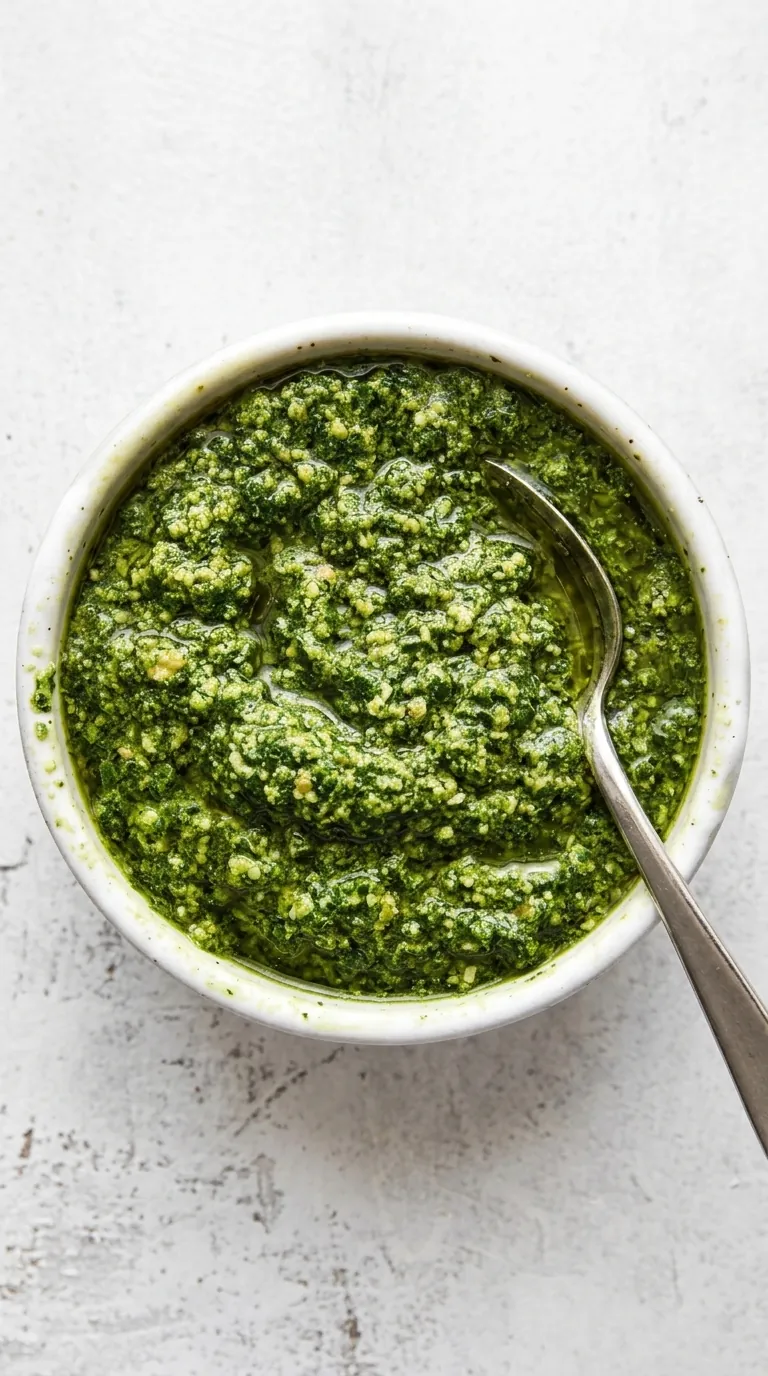
Summer basil has a way of making even a simple dinner feel special. When those fresh green leaves fill my kitchen with their sweet, peppery aroma, I know it’s time for Basil Pesto. In just 15 minutes, a handful of everyday ingredients turns into a creamy, garlicky sauce that brings fresh flavor to almost anything.
Make this easy homemade basil pesto with fresh basil, olive oil, garlic, pine nuts, cashews, and optional Parmesan cheese. This vibrant green Italian-inspired sauce tastes rich, nutty, and wonderfully fresh. Plus, it works beautifully with pasta, chicken, salmon, sandwiches, and quick weeknight dinners.
Table of Contents
Why You’ll Love This Homemade Basil Pesto
Homemade Basil Pesto brings bold Italian-inspired flavor to your kitchen without much effort. Better yet, you only need 15 minutes and a food processor or blender.
Fresh basil adds a wonderful herbal aroma, while cashews create a naturally creamy texture. Meanwhile, garlic, lemon juice, and olive oil bring everything together.
You can also make this sauce ahead of time. Simply refrigerate it for busy evenings or freeze small portions for later.
Recipe Details:
- Recipe: Easy Basil Pesto
- Cuisine: Italian-inspired
- Category: Dinner recipes
- Prep Time: 15 minutes
- Total Time: 15 minutes
- Yield: Approximately 1¼ cups
- Servings: 10
- Serving Size: 2 tablespoons
- Equipment: Food processor or blender, optional skillet
Ingredients for Basil Pesto
You only need a few fresh ingredients to make this creamy green sauce. However, choosing good-quality ingredients makes a noticeable difference.
Key Ingredients and Their Roles
- 2 cups fresh basil leaves (60 g): Provide the fresh, fragrant herbal flavor.
- ⅔ cup extra virgin olive oil: Creates a rich, smooth consistency.
- ¼ cup raw pine nuts: Add delicate, buttery nuttiness.
- ¼ cup raw cashews: Bring extra creaminess and mild sweetness.
- 3 garlic cloves: Add a bold, savory kick.
- 2 teaspoons fresh lemon juice: Brighten the sauce and balance its richness.
- ½ teaspoon kosher salt: Brings out the natural flavors.
- Freshly ground black pepper: Adds gentle warmth.
- ¼ cup freshly grated Parmigiano Reggiano: Adds salty, savory depth. This ingredient is optional.
- Additional olive oil: Helps adjust the consistency.
Easy Ingredient Substitutions
Fortunately, this Basil Pesto recipe welcomes simple changes.
For a dairy-free version, skip the Parmesan. The cashews still create a lovely creamy texture.
Alternatively, replace the pine nuts and cashews with sunflower seeds or pumpkin seeds for a nut-free option.
You can also try freshly grated Pecorino Romano instead of Parmesan for a sharper, saltier flavor.

How to Make Basil Pesto
Making fresh Basil Pesto takes only a few simple steps. First, gather your ingredients and grab a food processor or high-powered blender.
Step 1: Toast the Pine Nuts and Cashews
Place the pine nuts and cashews in a dry skillet over medium-low heat.
Then, stir occasionally for about 5 minutes until the nuts turn lightly golden and smell fragrant.
Although this step is optional, gentle toasting adds a deeper, nuttier flavor. Let the nuts cool briefly before blending.
Step 2: Combine the Ingredients
Next, transfer the nuts into your food processor or blender.
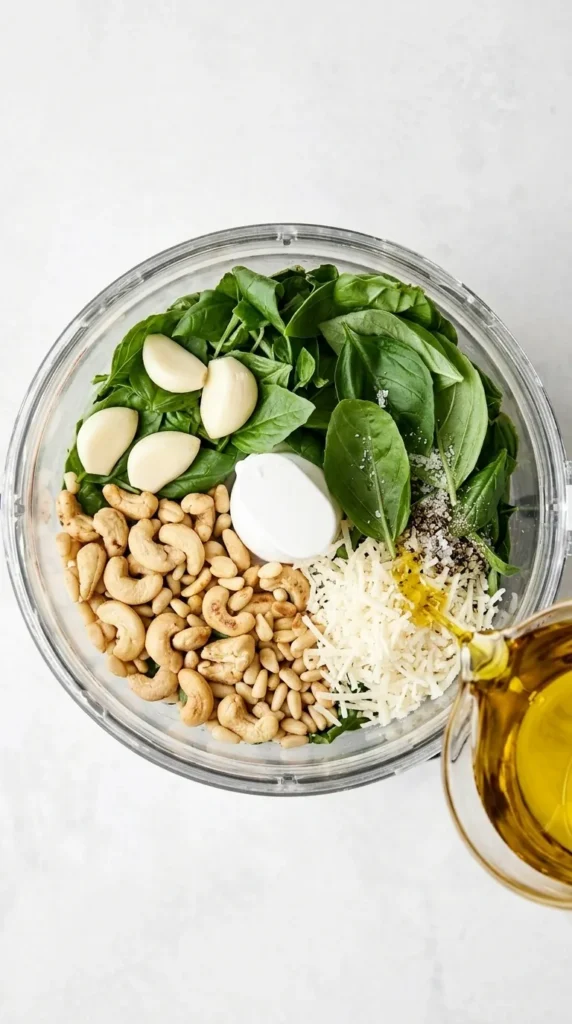
Add the olive oil, lemon juice, basil leaves, garlic, salt, black pepper, and optional Parmesan.
Then, secure the lid before blending.
Step 3: Blend Until Smooth or Slightly Chunky
For a food processor, pulse everything until the ingredients come together. Stop while small pieces remain if you enjoy a rustic texture.
Alternatively, use a high-powered blender for a smoother sauce. Gradually increase the speed and guide the ingredients toward the blades with the tamper.
Continue until your Basil Pesto reaches your preferred consistency.
Step 4: Adjust the Texture and Seasoning
Finally, check the thickness and taste.
If the sauce feels too thick, add a little more olive oil and blend again.
Then, adjust the salt, pepper, or lemon juice as needed. Transfer the finished sauce into a serving bowl or airtight container.
Tips for Making the Best Basil Pesto
A few small details can make homemade pesto taste even fresher.
Choose Fresh Basil and Quality Olive Oil
First, choose bright green basil leaves without brown spots or wilting.
Also, use good-quality extra virgin olive oil because its flavor plays a major role in the finished sauce.
For the nuts, choose raw, unsalted varieties. This way, you control the salt and overall flavor.
How to Keep Basil Pesto Bright Green
Fresh basil gives Basil Pesto its beautiful green color. However, air exposure gradually darkens the leaves.
Therefore, blend only until you reach your preferred texture. Also, avoid heating the sauce unnecessarily.
Afterward, cover the surface with a thin layer of olive oil before refrigerating. This helps protect its fresh color and flavor.
Food Processor vs. Blender: Which Is Better?
A food processor creates a slightly chunky sauce with small pieces of basil and nuts.
Meanwhile, a high-powered blender produces a smoother, creamier consistency.
Both methods work well. However, avoid reducing the recipe quantity when using a large blender because the blades need enough ingredients to blend properly.
Easy Basil Pesto Variations
One thing I love about this sauce is how easily you can adjust it to suit different meals and preferences.
Vegan and Dairy-Free Basil Pesto
For vegan Basil Pesto, simply leave out the Parmesan cheese.
The cashews naturally add richness, while olive oil creates a silky texture.
As a result, you still get a creamy, flavorful sauce without dairy.
Nut-Free Basil Pesto
For a nut-free version, replace both the pine nuts and cashews with sunflower seeds or pumpkin seeds.
Then, follow the same blending instructions.
The flavor changes slightly, but the seeds still provide a pleasant nutty taste and satisfying texture.
What to Serve With Basil Pesto
This versatile sauce works with far more than pasta. In fact, a spoonful can brighten everything from simple lunches to hearty dinners.
Pasta and Zucchini Noodles
First, toss Basil Pesto with warm pasta for a quick Italian-inspired meal.
Add a splash of pasta cooking water to help the sauce coat every noodle.
Alternatively, spoon it over zucchini noodles for a lighter dinner. You can also swirl it into lasagna for extra herbal flavor.
Chicken, Salmon, and Other Proteins
Basil Pesto tastes wonderful over roasted chicken, baked salmon, or cooked ground turkey.
For example, spoon a little over warm salmon just before serving. The fresh herbs and lemon complement the fish beautifully.
You can also mix it into cooked ground turkey for a quick, flavorful dinner.
Salads, Sandwiches, and Appetizers
For lunch, stir pesto into chicken salad or spread it over toasted sandwich bread.
Meanwhile, a spoonful over Caprese salad adds extra garlic and herbal flavor.
You can also swirl it into classic hummus or beet hummus. For breakfast, try a little over fried eggs or avocado toast.
How to Store and Freeze Basil Pesto
Homemade Basil Pesto works beautifully for meal preparation. Plus, proper storage helps preserve its fresh taste.
Storing Homemade Pesto in the Refrigerator
Transfer the sauce into a clean, airtight container.
Next, pour a thin layer of olive oil over the surface to reduce air exposure.
Then, refrigerate for 4 to 5 days. Always use a clean spoon when serving.
How to Freeze Basil Pesto
For longer storage, spoon the sauce into silicone ice cube trays.
Freeze until solid. Then, transfer the cubes into a freezer-safe bag or container.
Frozen Basil Pesto maintains its best quality for up to 3 months.
Thawing and Using Frozen Pesto
When you need pesto, thaw a portion overnight in the refrigerator.
Alternatively, stir a frozen cube directly into warm pasta or another hot dish until it melts.
Then, mix gently and serve. This simple trick makes busy weeknight cooking much easier.
For more kitchen inspiration, follow Kai Recipes on Pinterest or join our cooking community on Facebook.
Frequently Asked Questions About Basil Pesto
What is basil pesto made of?
Traditional Basil Pesto contains fresh basil, olive oil, garlic, pine nuts, Parmesan, and salt.
However, this version also includes cashews for extra creaminess and lemon juice for brightness. Together, these ingredients create a rich, fragrant green sauce.
How to make basil pesto?
First, lightly toast the pine nuts and cashews if desired.
Next, combine them with basil, olive oil, garlic, lemon juice, salt, pepper, and optional Parmesan.
Then, blend until smooth or slightly chunky. Finally, adjust the consistency with additional olive oil.
What does basil pesto taste like?
Basil Pesto tastes fresh, herbal, garlicky, and slightly nutty.
The olive oil adds richness, while Parmesan brings savory depth. Meanwhile, lemon juice adds a gentle brightness that balances the sauce.
Is basil pesto healthy or unhealthy?
Basil Pesto can fit into a balanced diet. Olive oil and nuts provide mostly unsaturated fats, while fresh basil adds plant nutrients.
However, pesto contains plenty of calories because of its oil and nuts. Therefore, portion size matters.
More Such Recipes
If you enjoy fresh, flavorful meals, these recipes offer more delicious ways to bring pesto and herbs into your kitchen.
- Try this easy chicken pesto pasta with fresh basil and Parmesan for a comforting family dinner.
- Make this creamy chicken pesto pasta for a quick weeknight dinner when you crave something rich and satisfying.
- Enjoy this easy pesto chicken salad with Greek yogurt for a fresh, protein-rich lunch.
- Prepare this creamy pesto chicken salad with toasted pine nuts for a flavorful meal with extra crunch.
- Serve this fresh salmon salad with herbs and lemon dressing when you want a lighter dinner.
- Discover more fresh and flavorful homemade recipes for everyday meals for simple cooking inspiration.
Final Thoughts
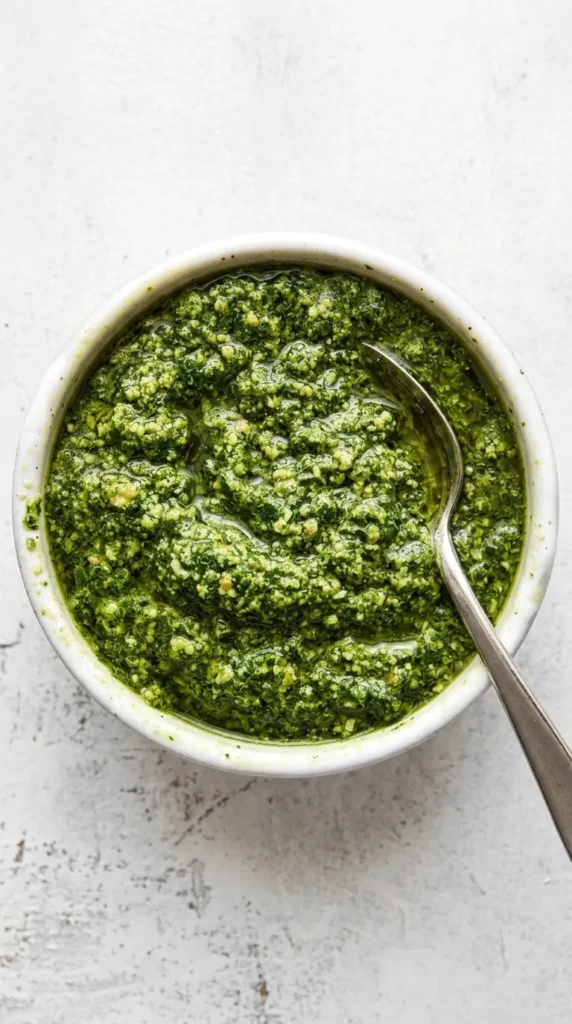
Making fresh Basil Pesto at home takes just 15 minutes, yet it brings so much flavor to everyday meals. With simple ingredients and a blender or food processor, you can create a creamy, fragrant sauce without much effort.
Plus, you can prepare it ahead, refrigerate it for several days, or freeze individual portions for later.
Whether you toss it with pasta, spoon it over salmon, or spread it onto sandwiches, homemade pesto makes dinner feel a little more special.
So, grab some fresh basil, experiment with your favorite variations, and enjoy this simple Italian-inspired sauce whenever you need a little extra flavor.
Nutrition Facts Per 2 Tablespoons:
- Calories: 180 kcal
- Carbohydrates: 2 g
- Protein: 2 g
- Total Fat: 19 g
- Saturated Fat: 3 g
- Polyunsaturated Fat: 3 g
- Monounsaturated Fat: 12 g
- Cholesterol: 2 mg
- Sodium: 157 mg
- Potassium: 63 mg
- Fiber: 0.3 g
- Sugar: 0.4 g
- Vitamin A: 274 IU
- Vitamin C: 2 mg
- Calcium: 42 mg
- Iron: 1 mg
These values are approximate and may vary depending on your ingredients and serving size.
Easy Basil Pesto Recipe (Fresh, Creamy, and Ready in 15 Minutes)
Description
This Easy Basil Pesto Recipe makes a fresh, creamy, and flavorful Italian-inspired sauce in just 15 minutes. Fresh basil, extra virgin olive oil, garlic, pine nuts, cashews, lemon juice, and optional Parmesan create a rich, aromatic pesto. Perfect for pasta, chicken, salmon, sandwiches, salads, and quick weeknight dinners.
Ingredients
- ⅔ cup extra virgin olive oil, plus additional oil if needed
- 2 teaspoons fresh lemon juice
- ¼ cup raw pine nuts
- ¼ cup raw cashews
- 2 cups tightly packed fresh basil leaves (approximately 60 g or 2 oz)
- 3 garlic cloves
- ½ teaspoon kosher salt
- Freshly ground black pepper, to taste
- ¼ cup freshly grated Parmigiano Reggiano cheese (optional)
Instructions
- Place the pine nuts and cashews in a dry skillet over medium-low heat. Stir occasionally for approximately 5 minutes until lightly golden and fragrant. Toasting is optional but adds a deeper, nuttier flavor.
- Transfer the toasted nuts to a food processor or high-powered blender.
- Add the extra virgin olive oil, fresh lemon juice, basil leaves, garlic cloves, kosher salt, freshly ground black pepper, and optional grated Parmigiano Reggiano cheese.
- If using a food processor, pulse the ingredients until thoroughly combined. Leave some texture if you prefer a slightly chunky pesto.
- If using a high-powered blender, gradually increase the speed while using the tamper to guide the ingredients toward the blades. Continue blending until the pesto reaches a smooth, creamy consistency.
- Check the consistency and add additional olive oil if necessary. Taste and adjust the salt, pepper, or lemon juice to your preference.
- Transfer the finished basil pesto to a serving bowl or airtight container. Serve immediately with pasta, chicken, salmon, or sandwiches, or refrigerate for later use.
Notes
Choose fresh, bright green basil leaves without brown spots or signs of wilting for the best flavor and appearance.
Use good-quality extra virgin olive oil because it contributes significantly to the pesto’s overall flavor.
Choose raw, unsalted pine nuts and cashews to control the saltiness and maintain a balanced nutty flavor.
Lightly toasting the nuts before blending is optional but adds depth and richness.
Freshly grated Parmigiano Reggiano or Pecorino Romano provides better flavor than packaged, pre-grated cheese.
For a vegan or dairy-free variation, omit the Parmesan cheese. Cashews help maintain a rich, creamy consistency without dairy.
For a nut-free alternative, replace the pine nuts and cashews with sunflower seeds or pumpkin seeds.
A food processor produces a slightly coarse pesto, while a high-powered blender creates a smoother, creamier sauce.
Avoid reducing the recipe quantity when using a high-powered blender because the blades need enough ingredients to blend effectively.
To maintain the vibrant green color, avoid excessive blending and unnecessary heat.
Refrigeration: Store the pesto in a tightly sealed, airtight container for 4 to 5 days.
Cover the pesto’s surface with a thin layer of olive oil before refrigerating to help preserve its freshness, color, and flavor.
Freezing: Divide the pesto into silicone ice cube trays and freeze until solid. Transfer the frozen portions to a freezer-safe container or bag.
Frozen pesto maintains its best quality for up to 3 months.
Thaw individual frozen portions in the refrigerator or stir them directly into warm prepared dishes.
Serving suggestions: Toss with pasta, spread over zucchini noodles, add to lasagna, or mix into cooked ground turkey.
Protein pairings: Serve with baked salmon, roasted chicken, or other cooked proteins.
Salad ideas: Stir into chicken salad or spoon over fresh Caprese salad.
Breakfast ideas: Add to fried eggs, breakfast toast, or savory sandwiches.
Dips and spreads: Swirl into classic hummus or beet hummus for additional herbal flavor.
Nutrition values are approximate and based on a serving size of 2 tablespoons.