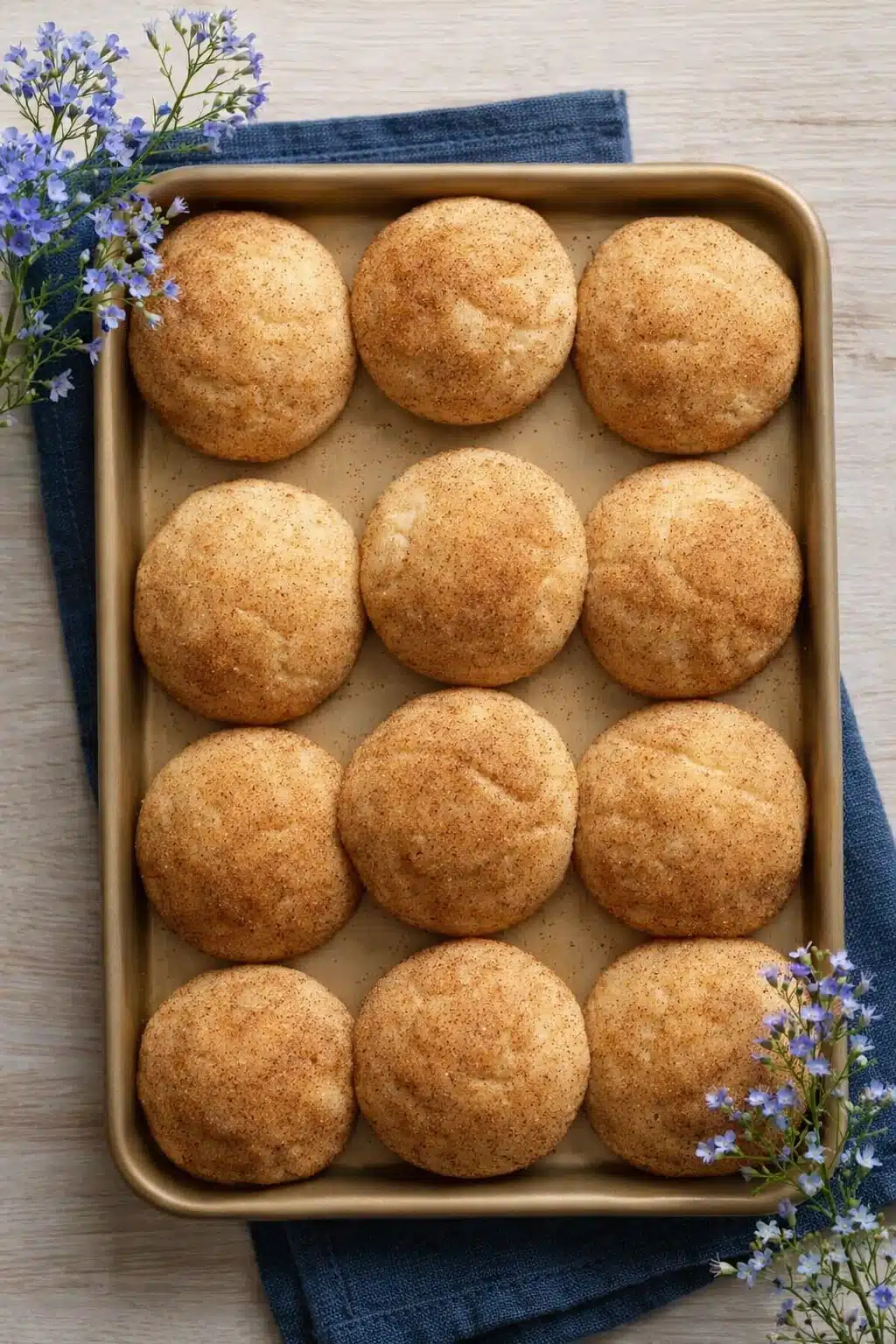
There’s something cozy about the smell of cinnamon drifting through a winter kitchen. When these German Snickerdoodles bake, the air feels warmer, the edges turn golden, and the sugar crust crackles just right. They’re soft in the center, crisp on the outside, and made for moments when you just need something sweet and simple.
Table of Contents
What Makes These German Snickerdoodles Special
Flavor and Texture Highlights
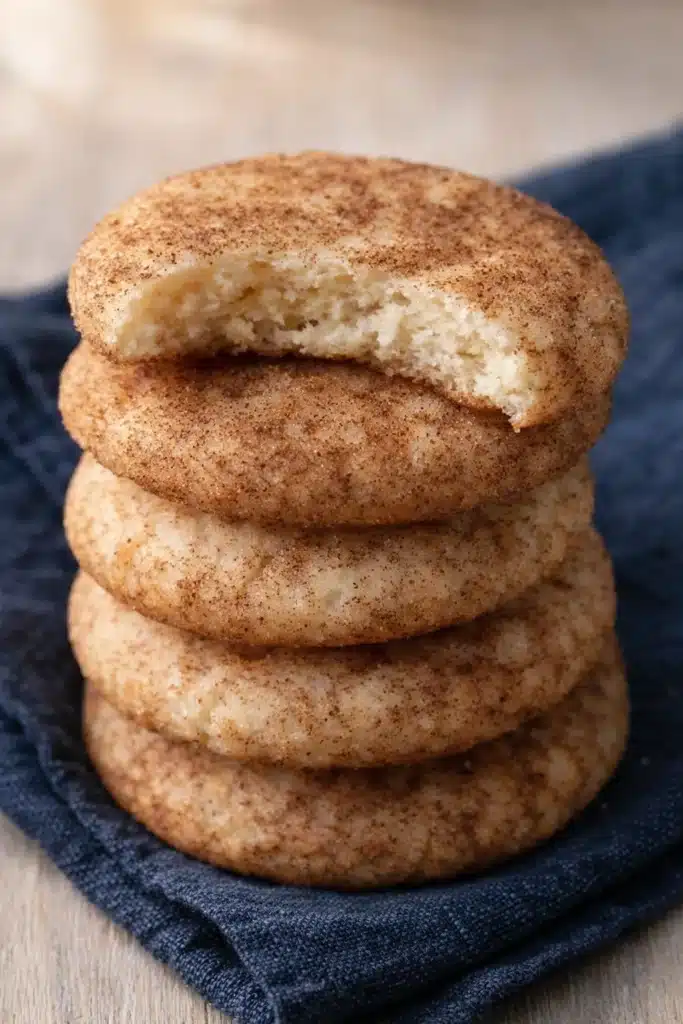
Every bite blends warm cinnamon with a subtle tang from cream of tartar. The butter gives them richness, while the sugar coating adds a sweet crunch. Inside, they stay chewy and soft, perfect for dunking in coffee or milk.
How They Differ From Classic Snickerdoodles
Traditional snickerdoodles trace back to German-American baking roots. These German Snickerdoodles lean into that heritage with balanced spice, a lighter crumb, and a deeper buttery aroma. The chilled dough and fine sugar coating help them bake evenly for that signature chewy middle.
Ingredients You’ll Need
Dough Ingredients Explained
- 1 cup unsalted butter, softened
- 1.5 cups granulated sugar
- 2 large eggs, room temperature
- 2.75 cups all-purpose flour, sifted
- 2 tsp cream of tartar
- 1 tsp baking soda
- ½ tsp salt
The butter should still hold its shape when pressed it keeps the dough tender. Cream of tartar gives the cookies their signature tang and soft rise.
Cinnamon-Sugar Coating Ingredients
- 3 tbsp sugar
- 2 tsp ground cinnamon
Mix these together for the perfect crisp shell. Fresh cinnamon makes all the difference.
Step-by-Step: How to Make German Snickerdoodles
Prepare the Dough Base (Creaming Butter, Sugar, Adding Eggs)
Cream the butter and sugar together until light and fluffy. Then add the eggs, one at a time, mixing after each addition until smooth and creamy.
Combine Dry Ingredients and Chill the Dough
In another bowl, whisk flour, cream of tartar, baking soda, and salt. Gradually add the dry mixture to the wet one until just combined. Avoid overmixing to keep the cookies tender. Cover and chill the dough for at least 1 hour or overnight.
Coat, Shape, and Bake the Cookies
Preheat the oven to 350°F. Combine the cinnamon and sugar coating mixture in a shallow bowl. Roll chilled dough into 1-inch balls, coat each in cinnamon sugar, and place them 2 inches apart on parchment-lined baking sheets.
Cooling, Texture Expectations, and Batch Timing
Bake for 9–11 minutes until edges are lightly golden and centers are set but soft. Let them cool for a few minutes on the sheet before moving to a wire rack. They’ll firm up slightly while keeping their chewy texture.

Pro Tips for the Best Results
Why Chilling the Dough Matters
Chilling controls spreading and helps develop a richer flavor. Cold dough bakes evenly and keeps that pillowy center intact.
Butter, Cinnamon, and Mixing Tips
Use softened not melted butter. Fresh cinnamon gives a stronger aroma. Stop mixing once the flour disappears to avoid tough cookies.
Ingredient Swaps and Variations
Butter, Flour, and Egg Alternatives
Use salted butter but reduce added salt to ¼ tsp. For a dairy-free option, try plant butter. You can substitute part of the flour with almond flour for a nutty touch.
Flavor Twists and Optional Add-Ins
Add orange zest for a citrus note, or fold in a pinch of nutmeg. You can even mix a few mini chocolate chips for a fun twist that complements the cinnamon.
Storage and Freezer Guide
Room-Temperature Storage Tips
Store in an airtight container for up to a week. Layer cookies with parchment paper to prevent sticking.
How to Freeze, Thaw, and Rewarm
Freeze baked cookies for up to 3 months. Thaw at room temperature, then warm for 5 minutes at 300°F to refresh that just-baked texture.
Nutrition Snapshot for the Full Batch
Total calories: 3400–3600
Protein: 30–34 g
Fat: 160–180 g
Carbohydrates: 470–490 g
These make about two dozen medium cookies, so roughly 150 calories each.
Troubleshooting Common Baking Issues
Cookies Spreading Too Much
The dough may be too warm. Chill longer before baking, or make sure your butter wasn’t too soft.
Dry or Tough Cookies
Overmixing or overbaking causes dryness. Mix gently, and bake only until edges are barely golden.
FAQs About German Snickerdoodles
Are snickerdoodles German?
Yes, the name likely comes from “Schneckennudeln,” a German pastry. Early immigrants brought similar spiced cookie recipes to the U.S.
What is the most popular cookie in Germany?
Lebkuchen is a beloved classic, especially during holidays. Pfeffernüsse also ranks high for its spiced, festive flavor.
What country did snickerdoodles originate from?
They originated in Germany but became famous through Pennsylvania Dutch bakers in America.
What does pfeffernüsse mean in German?
It means “pepper nuts,” referring to the small, round cookies spiced with black pepper, cloves, and anise.
More Such Recipes
- Strawberry Crinkle Cookies Dessert Recipe
- Love Cake Romantic Dessert Recipe
- Cherry Pie Bites Mini Dessert Recipe
- Creamy White Chocolate Orange Mousse Dessert
- Air Fryer Churro Bites Quick Dessert
- Easy Cherry Pie Bars Simple Cherry Dessert
- Low Calorie Sugar Free Cookies Healthy Dessert
Final Thoughts
German Snickerdoodles feel like a warm hug on a cold day. They’re simple, fragrant, and timeless. Make a batch, let the cinnamon fill your kitchen, and share a few with someone who could use a little sweetness. Find more cozy dessert ideas on Pinterest or follow along on Facebook.
Print
German Snickerdoodles Recipe | Soft & Delicious Cookie Magic
- Total Time: 1 hour 25 minutes (including chill time)
- Yield: 24 cookies 1x
- Diet: Vegetarian
Description
Soft, chewy German Snickerdoodles with a buttery base and crisp cinnamon-sugar coating. These cookies are cozy, sweet, and simple to make for any occasion.
Ingredients
1 cup unsalted butter, softened
1.5 cups granulated sugar
2 large eggs, room temperature
2.75 cups all-purpose flour, sifted
2 tsp cream of tartar
1 tsp baking soda
½ tsp salt
3 tbsp sugar (for coating)
2 tsp ground cinnamon (for coating)
Instructions
1. Cream the softened butter and sugar until light and fluffy.
2. Add eggs one at a time, mixing well after each addition.
3. In a separate bowl, whisk together flour, cream of tartar, baking soda, and salt.
4. Gradually mix dry ingredients into the wet ingredients until just combined.
5. Cover the dough and chill in the refrigerator for at least 1 hour or overnight.
6. Preheat the oven to 350°F and mix the cinnamon and sugar for coating.
7. Roll chilled dough into 1-inch balls, coat in cinnamon-sugar mixture, and place on parchment-lined baking sheets about 2 inches apart.
8. Bake for 9–11 minutes, until edges are lightly golden and centers are just set.
9. Cool on the baking sheet for a few minutes before transferring to a wire rack.
Notes
Chilling the dough improves texture and helps control spreading.
Use softened butter that still holds shape for best consistency.
Fresh cinnamon gives a stronger flavor in the coating.
Avoid overmixing after adding dry ingredients to prevent toughness.
Salted butter can be used if added salt is reduced to ¼ tsp.
Cookies can be stored in an airtight container at room temperature for up to 1 week.
They can also be frozen for up to 3 months and thawed before serving.
- Prep Time: 15 minutes
- Cook Time: 10 minutes
- Category: Dessert
- Method: Baking
- Cuisine: German-American
Nutrition
- Serving Size: 1 cookie
- Calories: 150
- Sugar: 15 g
- Sodium: 85 mg
- Fat: 7 g
- Saturated Fat: 4 g
- Unsaturated Fat: 2 g
- Trans Fat: 0 g
- Carbohydrates: 23 g
- Fiber: 0.3 g
- Protein: 1 g
- Cholesterol: 25 mg